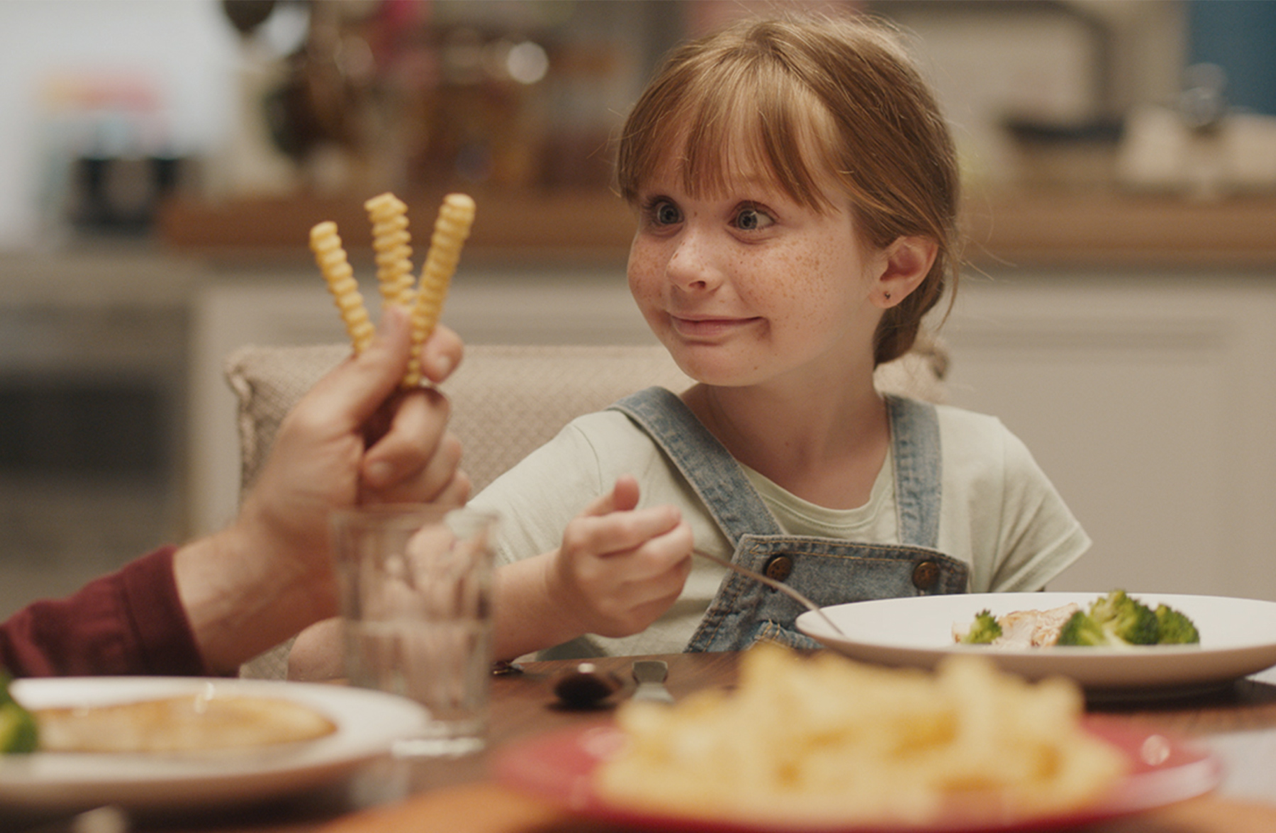

Ore-Ida website
Lead Visual Designer • Responsive web
Key contributions
Designed a cohesive website showcasing Ore-Ida products, recipes, and campaign content.
Created reusable page templates to support consistent product and recipe experiences.
Translated Ore-Ida's brand identity into a digital experience.
Designed flexible components to accommodate new products and content.
Business context
No. 1 U.S. frozen potato brand by retail sales (historical ranking).
Part of Kraft Heinz's portfolio of food brands.
Multiple frozen potato varieties supported by the brand.
The problem
Ore-Ida needed a cohesive website that brought products, recipes, and campaign content together in one experience. The team also needed reusable layouts to support new content without redesigning each page.
The goals
🍟 For customers
Explore frozen potato products and varieties.
Discover recipes and meal ideas.
Find where to buy products.
🏢 For Kraft Heinz
Establish a cohesive digital experience for Ore-Ida.
Showcase products, recipes, and campaign content consistently.
Simplify content updates through reusable page templates.
My role
Visual design leadership
Brand expression
UI design
Reusable page templates
Component design
Content organization
Research
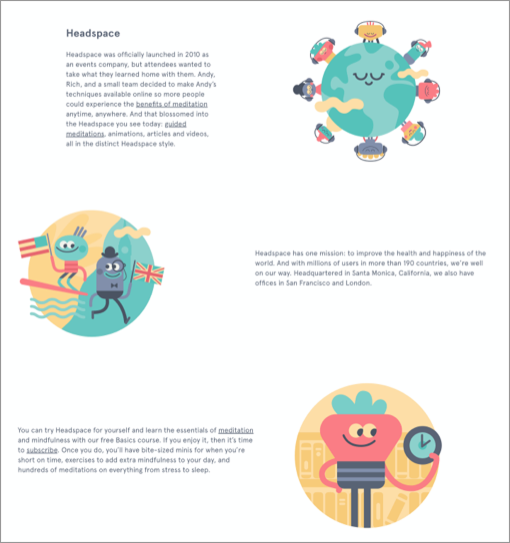
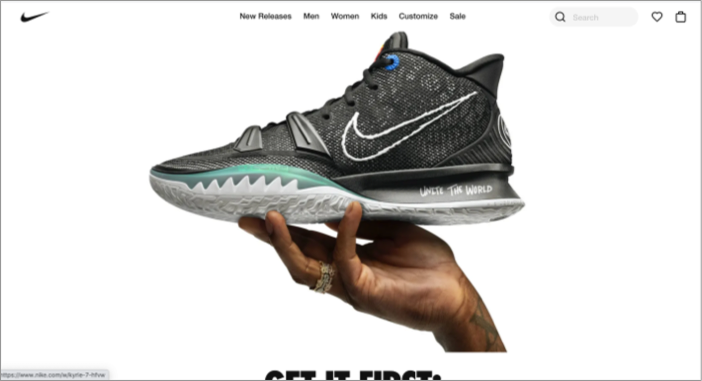
Ore-Ida had a presence on the Kraft Heinz website, but not a dedicated digital experience of its own. While UX partnered with the brand team on content requirements, I focused on defining the visual direction. I reviewed family-focused food brands to understand how they balanced personality with clarity. The strongest experiences shared a few qualities: playful energy, bold but controlled color, intentional photography, and simple content hierarchy. These patterns shaped a visual direction that felt warm, modern, and easy to use.
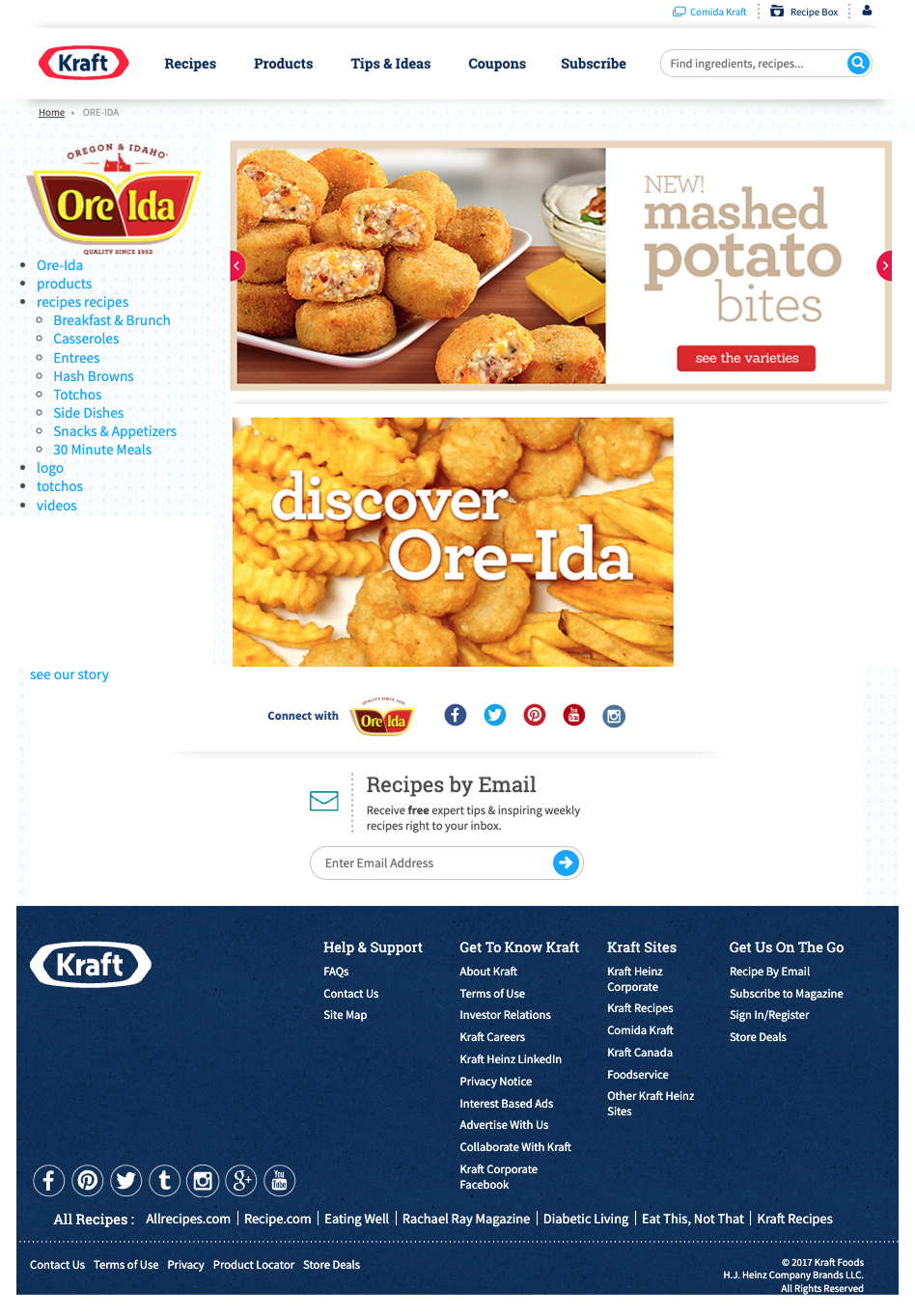
Before
Inspiration
Aligning structure with UX
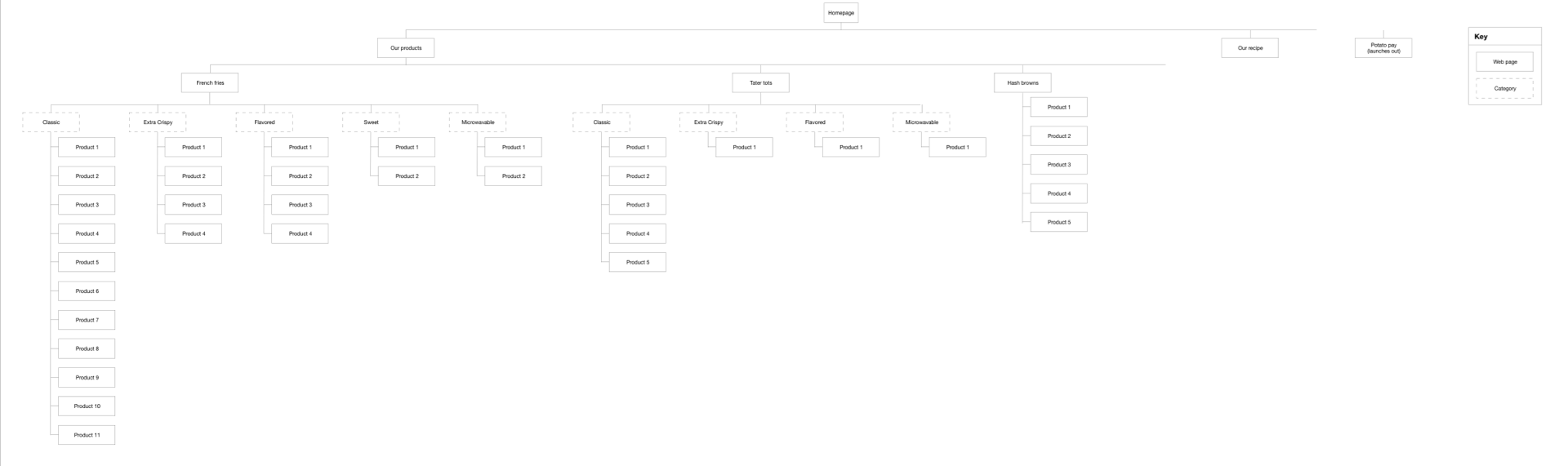
We defined a clear structure that could support product content, recipes, and future campaigns.
I worked from a mobile-first foundation with bold but controlled brand expression, simple content hierarchy, reusable page templates, and flexible modules for future growth. Rather than designing individual pages, I built a system the brand team could keep building from.

Creating the design system
I explored multiple visual directions to find out how far the brand could stretch digitally.
One direction leaned into farmland heritage. Another focused on family energy and lifestyle. The final direction balanced Ore-Ida's bold packaging colors with clean layouts, intentional photography, and accessible contrast. It felt like the brand, just grown up for the screen.
Concept 1
Concept 2
Final



The final designs
Homepage
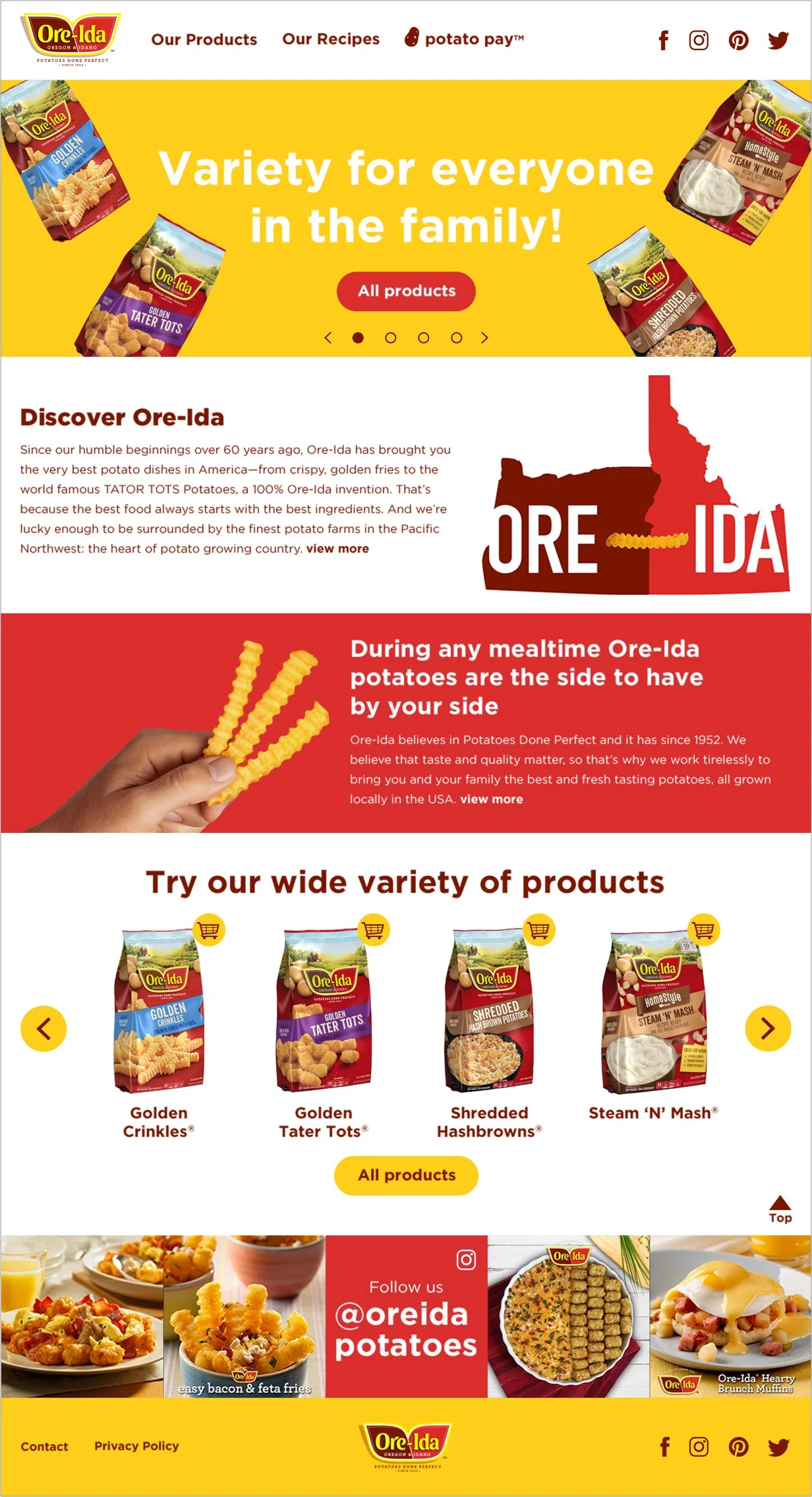
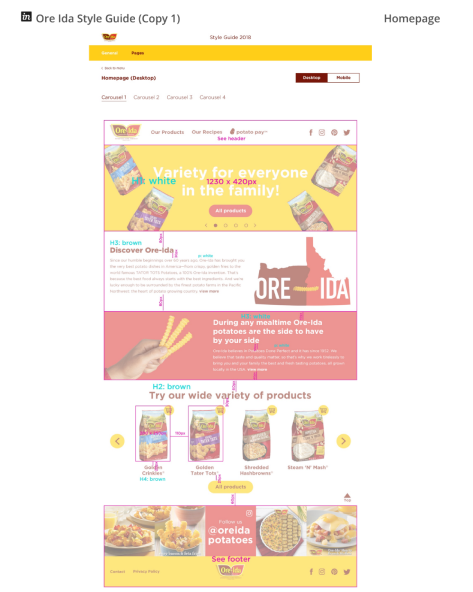
I established a modern tone using controlled brand yellow, large imagery, and short copy blocks to create rhythm. Modular sections keep the page flexible for future campaigns without requiring a redesign each time.
Products landing pages
I used a consistent grid system to support scalable content growth, prioritized large product imagery for quick recognition, and simplified naming hierarchy to reduce cognitive load. The layout supports fast browsing and easy comparison while staying flexible for new product additions.
Category pages
Each category follows a shared template with modular banner areas, a reusable grid structure, and clear content hierarchy. Custom hero banners preserve brand personality while the standardized layout keeps the experience consistent. The brand team can add new categories without touching the framework.
Product detail pages
I prioritized product imagery, structured content into short scannable sections, and built flexible modules to support future promotions. The template balances brand personality with usability and scales across every SKU without redesign.
Recipe landing page
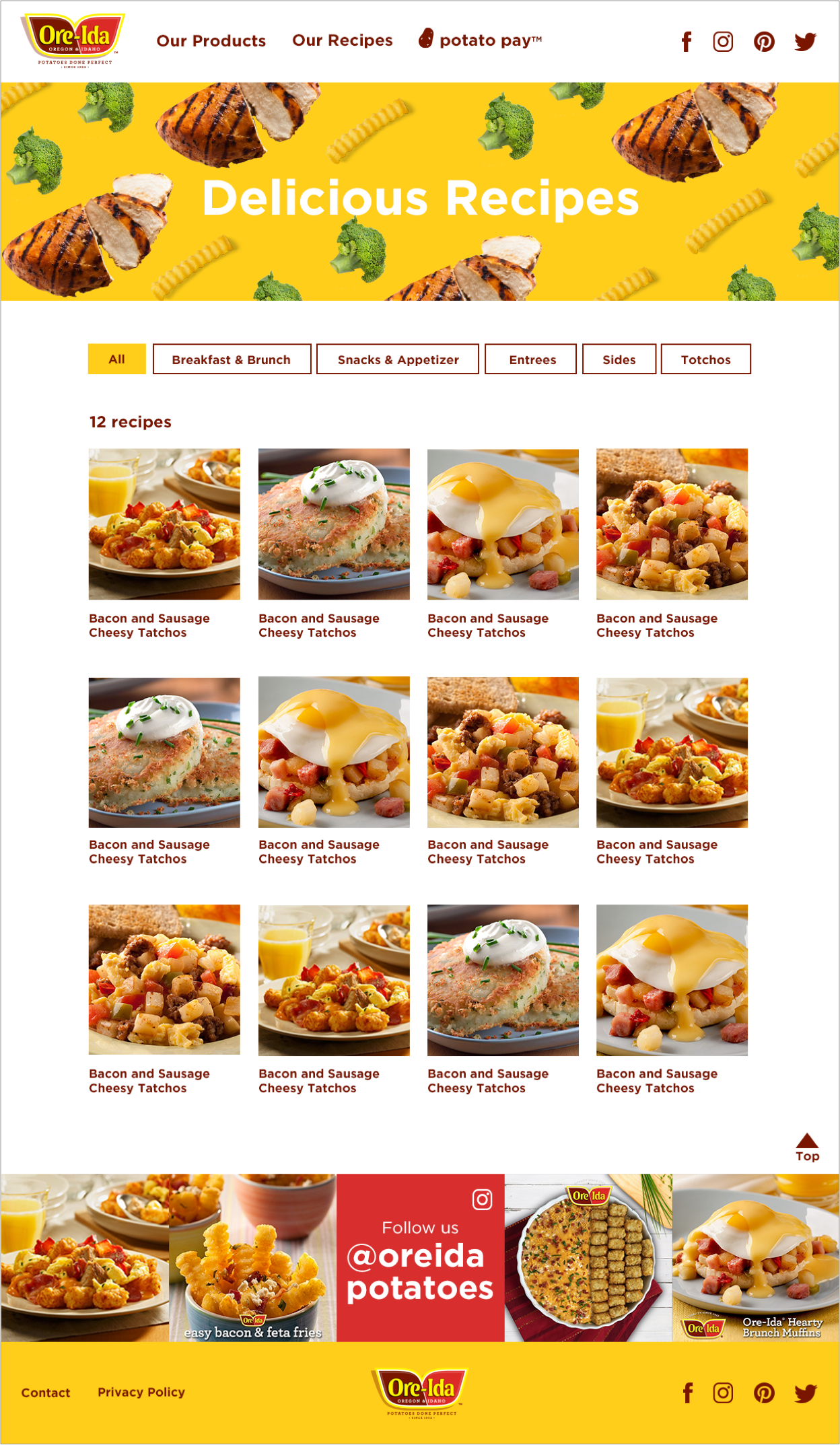
I reused the core grid structure for familiarity, added a filter system with a mobile-friendly dropdown, and optimized spacing for quick scanning. The structure supports a growing recipe library without increasing layout complexity.

Recipe detail page
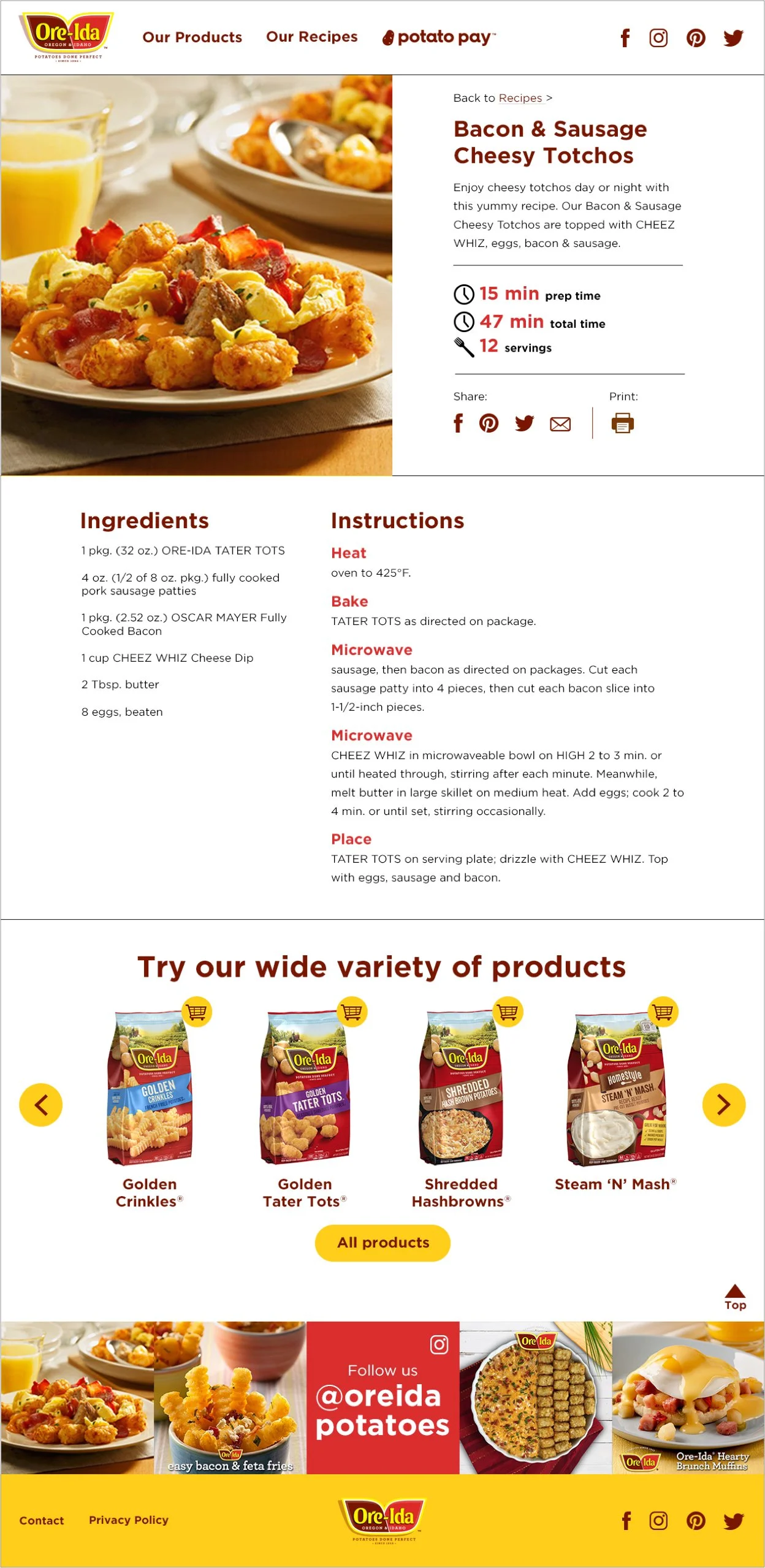
I designed for the moment someone is actually cooking — ingredients grouped clearly, steps laid out for fast comprehension, whitespace used deliberately to reduce visual overload. The layout supports repeat use and easy content updates.

Adjustments along the way
Ore-Ida's bold color palette created real contrast and accessibility challenges. I rebalanced color usage to maintain the brand's energy while improving readability and meeting accessibility standards. Those two things are often framed as opposing forces. They don't have to be.
The homepage also needed to carry a high density of content without feeling overwhelming. I used modular layouts and progressive disclosure to reduce visual noise while keeping the page flexible for future campaigns.
Supporting development
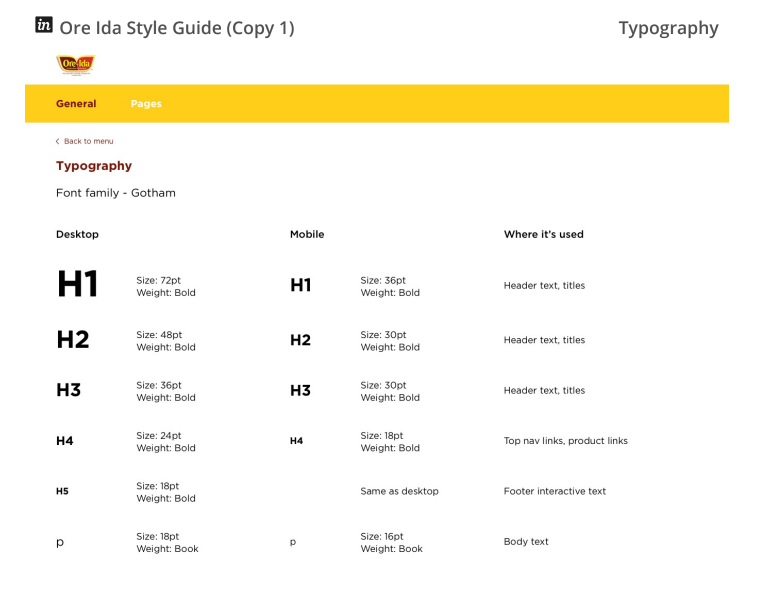
I delivered organized, developer-ready files and scalable design documentation covering typography, color, spacing, and layout rules, reusable templates for future pages, and style guide documentation I built in collaboration with a junior designer.
The goal wasn't just to launch. It was to leave the brand team with something they could keep building on their own.

Team feedback
“Nancy is the most stellar leader and design partner I could have ever asked for. I have learned so much from working with her over the past year. She has such a kind and impactful way of giving feedback, and challenges me to produce the best work possible. I value her opinion and design eye more than anyone. Not only is she someone I can look up to, she also knows how to put her head down and crank out beautiful work on tight timelines. She is proactive on all of her projects, solving problems before they get too big. If a problem does arise, Nancy maintains her composure, positive attitude and calming tone with everyone.” — Leo Burnett UX Designer